
The Atlanta Braves live in a division where styles clash and memories run long. Inside Truist Park, the identity is familiar—pitching depth, crisp defense, and an offense that punishes mistake counts—but the NL East turns that into a twice-weekly referendum from April through September.
What the Division Really Tests
The East rarely rewards one-dimensional teams. You need rotation turns that travel, outfield range that erases extra bases, and late-inning lanes that hold.
When Atlanta is right, first-pitch strikes tilt counts, relays cut down 90 extra feet, and seventh- and eighth-inning assignments feel automatic. The division’s friction is what forges that habit.
Mets Heat: Control vs. Chaos
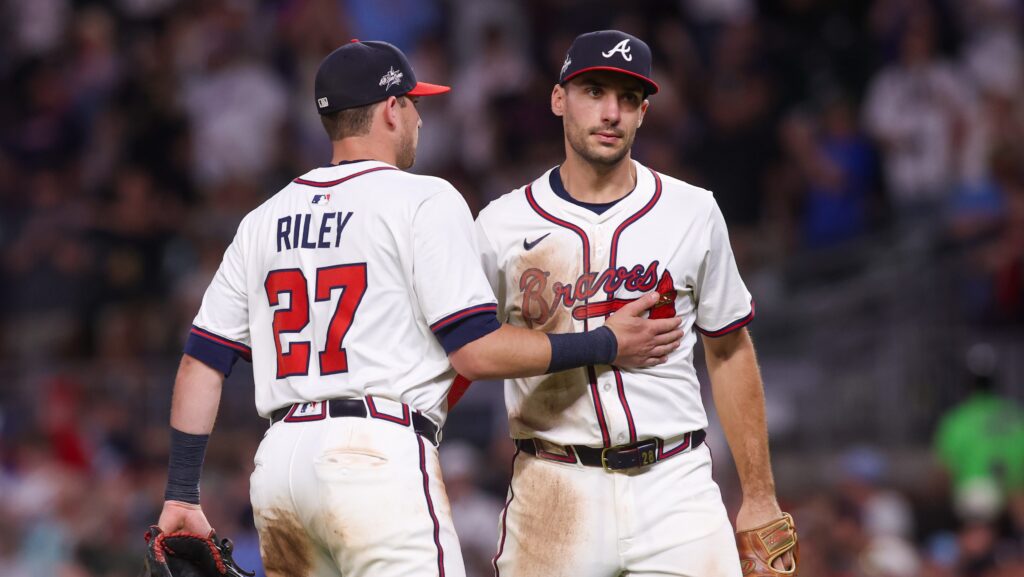
Atlanta–New York is the rivalry that keeps resetting. After realignment placed the Braves in the NL East in 1994, the edges hardened—regular-season swings, late-summer series that felt like previews, and an October chapter that still frames it: the 1999 NLCS, a six-game win for Atlanta that featured extra-inning drama and a city-sized sigh.
Beyond that era, the dynamic is consistent: when Braves starters command early, New York’s rallies feel rushed; when the Mets create traffic and extend innings, the game tilts chaotic. Names change; the texture doesn’t.
Phillies Stakes: Power on Power

With Philadelphia, the stakes trump the spectacle. It’s power vs. power—lineups built for damage and pitching plans designed to smother the middle of the order. Recent Octobers underlined the margin for error; the 2023 NLDS swung on one missed location here, one seventh-inning lane that didn’t hold there.
When Atlanta’s outfield turns gaps into singles and the bullpen shrinks games, the series feels routine. When Philly strings extra bases together, stress compounds fast.
Nationals: Details, Discipline, and the Long Game
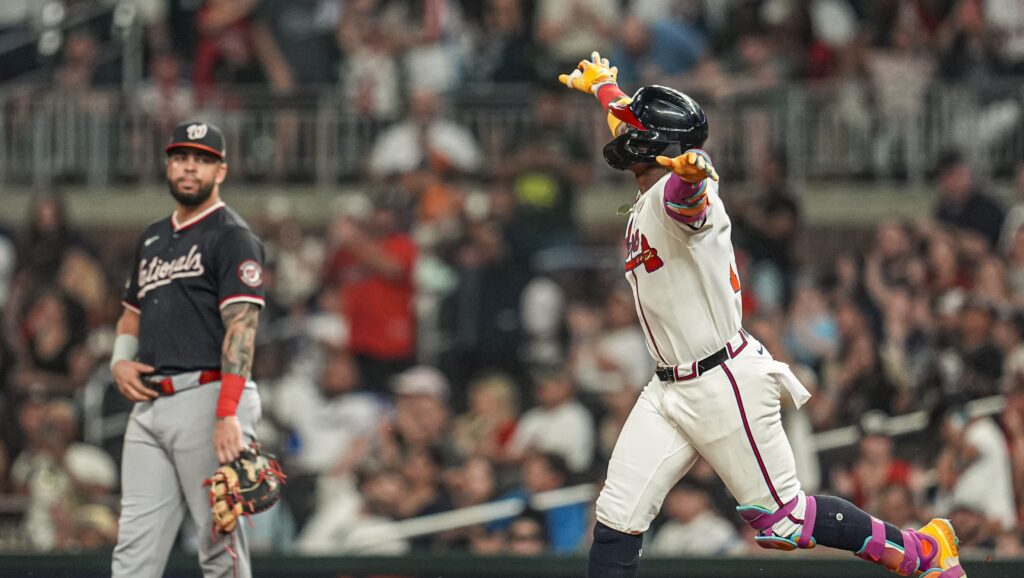
The Nationals force clean baseball. Even outside their 2019 title peak, Washington games reward teams that avoid free bases and sequence efficiently. For Atlanta, the tell is contact quality in the middle third: win those at-bats, and you strip leverage from the Nats’ late innings. Lose them, and you invite one big swing to decide it.
Marlins: Edges, Speed, and the Odd-Game Trap
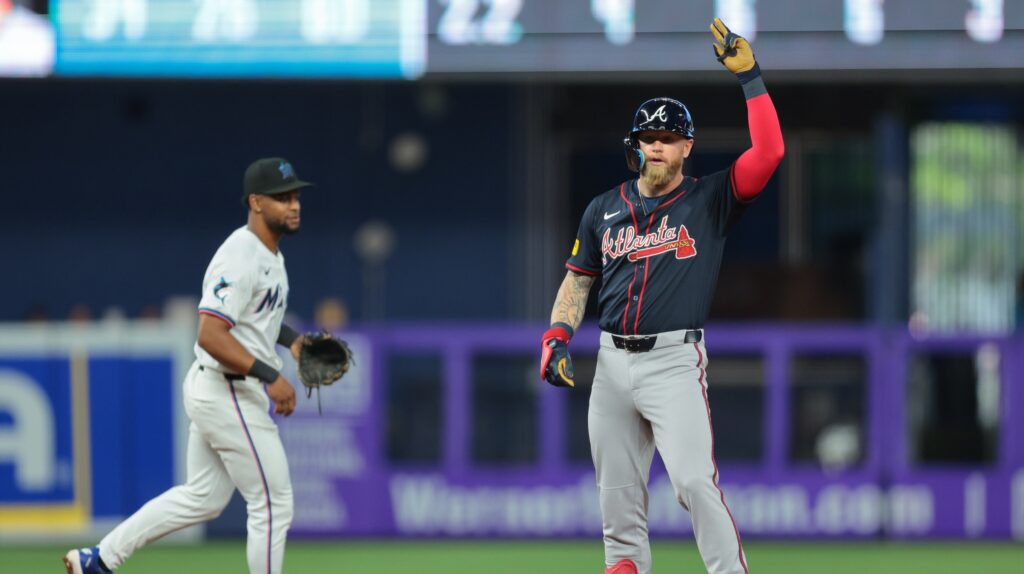
The Marlins drag you onto the margins—pitch design on the edges, atypical counts, and baserunning that tests throws. They’re a trap for teams that assume routine; sloppy tags or lazy cuts can turn a clean 3–1 win into a coin flip. Atlanta’s antidote is discipline on first pitches and conviction on throws; get the first two right, and Miami’s speed becomes a footnote.
Managers, Eras, and the Throughline
From the Bobby Cox standard to Brian Snitker’s current run, Atlanta’s spine has been continuity: develop pitching, defend the big parts of the field, and let a deep lineup punish mistakes instead of chasing them.
That’s why division series often feel familiar even when names turn over—habits persist. The opponents are durable, too: the Mets retool star power and run prevention; the Phillies double down on damage and October bullpen aggression; the Nationals and Marlins fight with details and development.
How It Plays in the Park
At Truist Park, vantage and circulation help the Braves’ style show through—sightlines that keep field work crisp, concourses that return fans to their seats quickly (noise sustains), and a bowl that rewards efficient innings. If you’re bringing a first-timer, lower-bowl seats between the dugouts make the division’s personality easy to read: tempo, zone control, and the extra 90 feet.
Postseason Gravity (Why the East Feels Heavier)
Division ball hardens habits you need in October. You learn to win low-scoring games when the ball doesn’t fly, shorten games when the lineup misses a day, and practice four-out innings when an error threatens to snowball.
That’s why Braves fans circle Mets and Phillies weekends: they don’t just settle standings—they preview whether the formula will travel when it matters.
Roster Staples by Era (Quick Map)
- 1990s–2000s: Greg Maddux, Tom Glavine, John Smoltz, Chipper Jones
- 2010s: Freddie Freeman, Andrelton Simmons, Craig Kimbrel
- 2020s: Ronald Acuña Jr., Ozzie Albies, Austin Riley, Max Fried, Spencer Strider
What Actually Decides NL East Series for Atlanta
- First-Pitch Command: Get ahead, shrink the guesswork, and protect defense positioning.
- Outfield Conversions: Turn gaps into singles; kill the extra 90 feet.
- Seventh–Eighth Roles: If lanes hold, stress transfers to the other dugout.


