

The Atlanta Braves built a culture that travels: pitching depth, crisp defense, and an offense that punishes mistakes. At Truist Park, that identity meets a division built on long memories—especially in New York and Philadelphia.
The Cox Standard and the Big Three

The modern bar was set under Bobby Cox, who managed Atlanta from 1990–2010 and won the 1995 World Series. His era was embodied by the Big Three—Greg Maddux, Tom Glavine, John Smoltz—a rotation core that defined precision and durability and stacked Cy Youngs across the decade. The template was simple and unforgiving: win the zone, steal extra outs with defense, and turn series into routine.
Mets Heat: Chipper, Shea, and the NL East Realignment
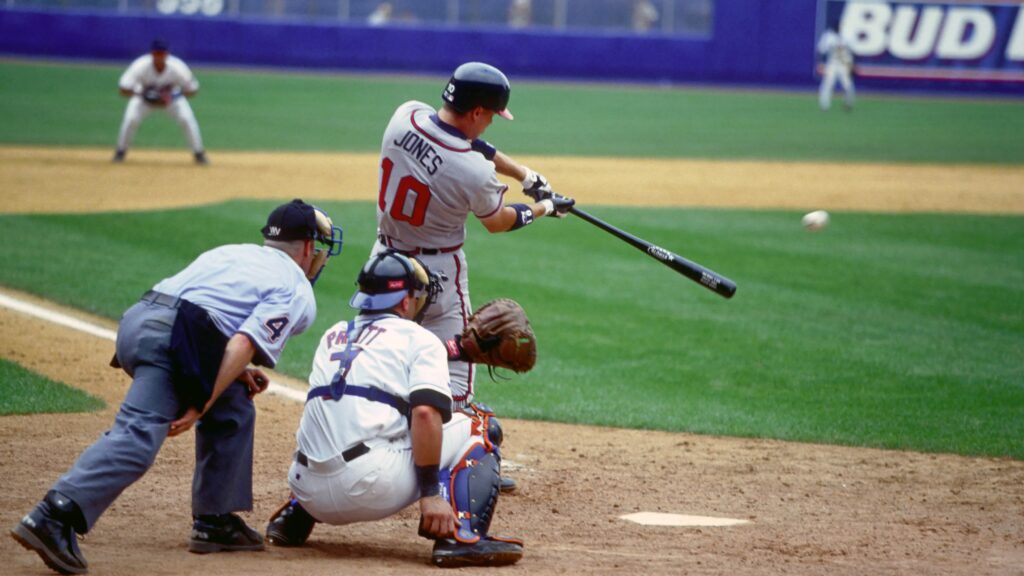
The rivalry with the Mets sharpened after realignment placed Atlanta in the NL East in 1994. Late-season showdowns and playoff races made small moments stick, none bigger than Chipper Jones tormenting New York—and naming a son “Shea” after the ballpark he raked in. The tone of these games is control versus chaos: who commands counts first and who cashes the first mistake.
Phillies Stakes: Power on Power
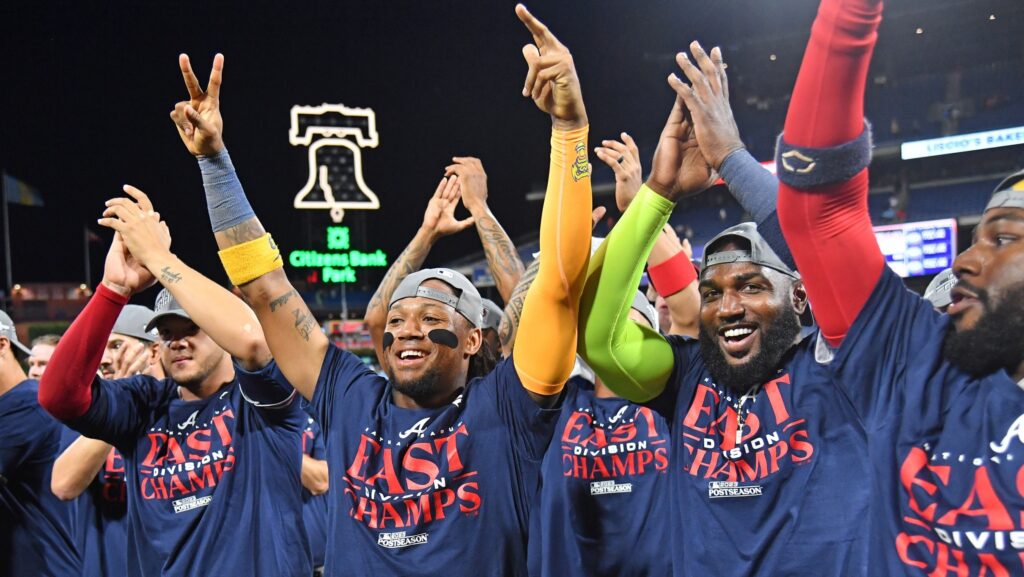
With Philadelphia, the tone is stakes over spectacle. NL East titles and October paths have funneled through this matchup in recent years, with power lineups and big-inning pitching defining who controls a series. The swing factors are steady: outfield range that erases extra bases, seventh- and eighth-inning lanes that hold, and margin plays—one missed spot, one relay that’s a beat late—that flip a weekend.
Managers and Eras: From Cox to Snitker

After Cox, Atlanta stabilized under Brian Snitker (manager since 2016), who steered the 2021 World Series run and a new string of division crowns. The throughline is continuity—organizational pitching depth, athletic position groups, and bullpen roles that tighten by September. Different faces, similar habits: control the middle innings, punish mistake counts, and keep the game clean.
Postseason Chapters That Set the Tone
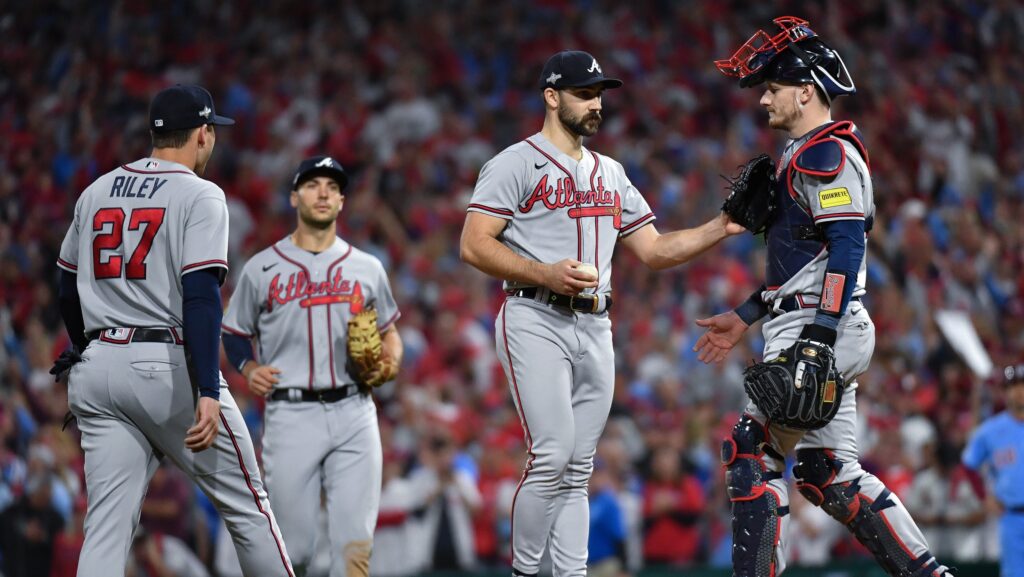
The modern stakes show up in October. Atlanta’s run through the late 1990s included a six-game NLCS win over the Mets, a chapter that hardened the edges of that rivalry. More recently, NLDS meetings with Philadelphia underlined how small margins decide the matchup—one missed location, one seventh-inning lane that doesn’t hold. The blueprint travels the same way it always has: shorten games with defined bullpen roles and turn extra-base threats into singles with clean cuts and relays.
Touchstones Across Eras
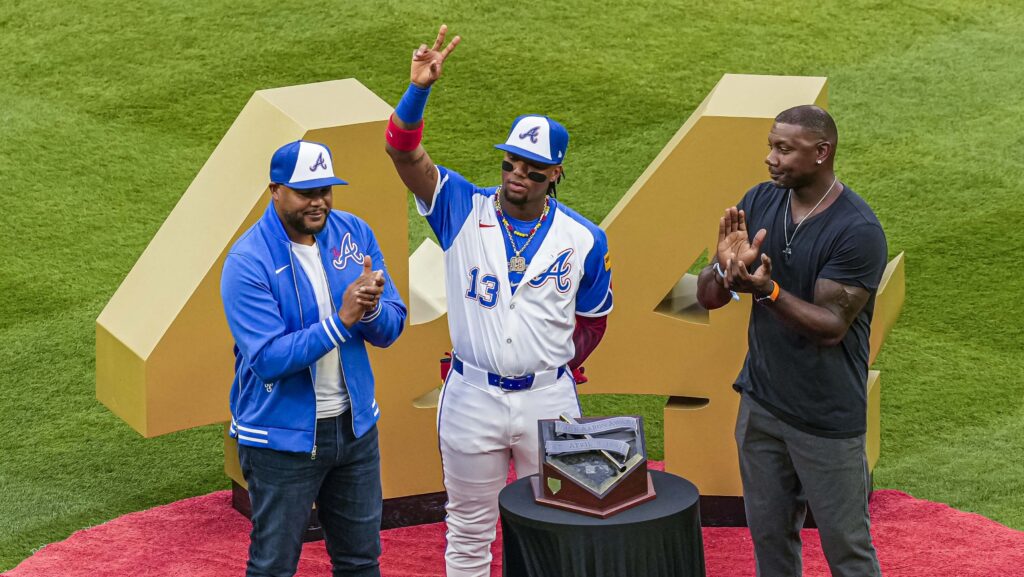
Names anchor the culture as much as results. Hank Aaron’s standard sits over everything; the Dale Murphy years kept Atlanta relevant between eras; the outfield defense of Andruw Jones turned fly balls into habit. In the new-park era, stars have carried the identity forward while the organization kept the same spine—pitching depth, rangy position groups, and a lineup that punishes mistakes rather than chases them. That continuity is why divisional series feel familiar even when the faces change.
Roster Staples by Era
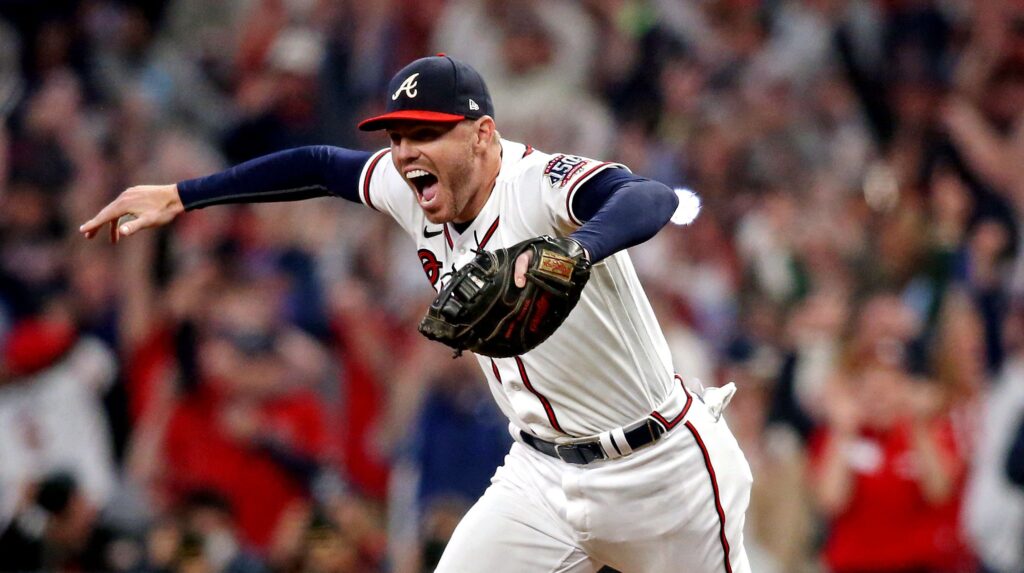
- 1990s: Greg Maddux, Tom Glavine, John Smoltz, Chipper Jones
- 2000s: Andruw Jones, Chipper Jones, Tim Hudson, Brian McCann
- 2010s–2020s: Freddie Freeman, Ronald Acuña Jr., Ozzie Albies, Austin Riley
What Game Day Feels Like at Truist Park
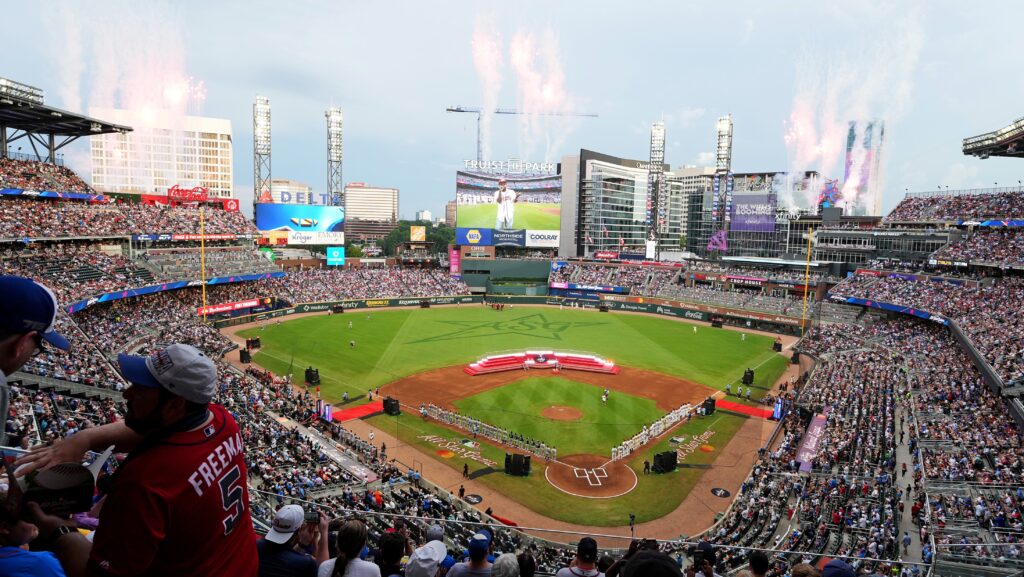
At Truist Park, the bowl’s rake and concourses keep you close; noise builds without losing clarity. For a first-timer, lower-bowl seats between the dugouts offer the cleanest look at how the Braves play—and why the park was designed to feel intimate.
Why Certain Moments Live Longer
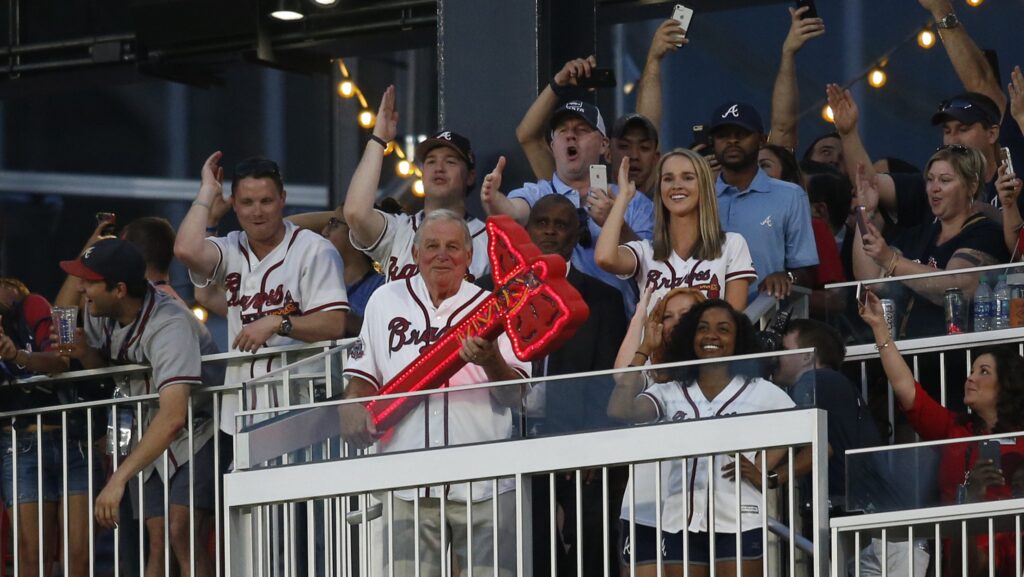
Braves lore favors sequences over single swings: a seven-pitch walk before a gapper, a relay that erases extra bases, a starter stealing strike three with a late breaker. The personality is patience and precision—quiet wins that stack, then cash out.


