
The Atlanta Falcons built their Ring of Honor as a language of standards, not just a wall of names. Each inductee explains how the franchise expects to win—and what it values beyond a box score.
If you’re headed to Mercedes-Benz Stadium, make time to walk the Ring and line those stories up with the way the current roster plays. (The full roster of honorees and induction years lives on the team’s official Ring of Honor page.)
Foundations (The First Identity)
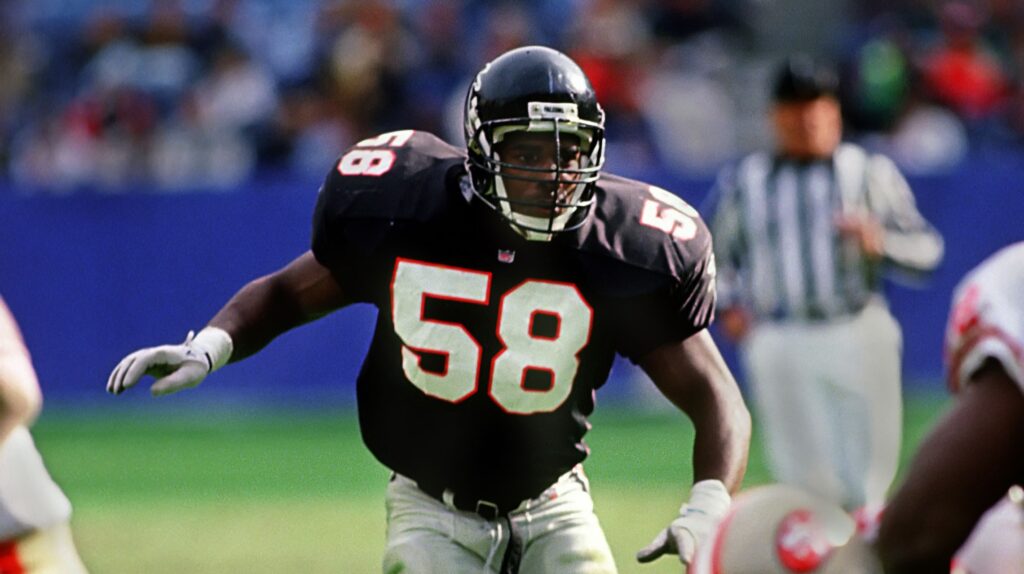
Tommy Nobis — LB (1966–76). The expansion-era constant. Nobis set the bar for how Atlanta tackles, communicates, and plays through contact. The “Mr. Falcon” idea isn’t myth—it’s a blueprint for how the middle of the defense should feel.
Steve Bartkowski — QB (1975–85). Big arm, bigger moments. Bartkowski gave Atlanta a vertical gear that turned Sundays into events and established quarterback as a franchise position—not just a jersey.
William Andrews — RB (1979–83). Downhill violence with soft hands. Andrews was the original “every situation” back in Atlanta: pass pro, catches, and a finish that taught the city what a first down should sound like.
Jessie Tuggle — LB (1987–2000). Endurance and angles. Tuggle’s longevity proved that habit—fits, leverage, pursuit—can be a superstar trait in a town that loves stars.
The Spine (Line Play as Identity)
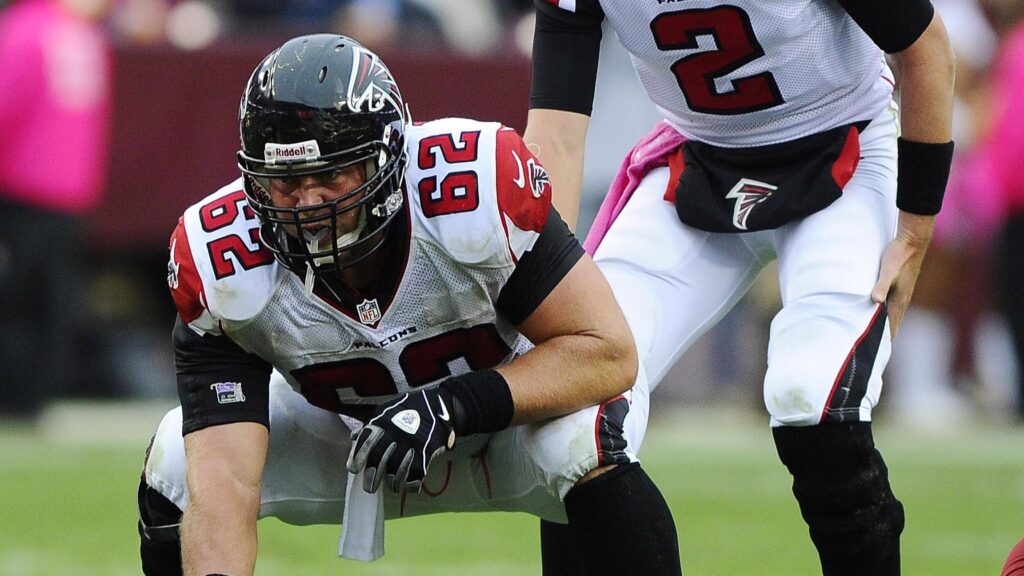
Jeff Van Note — C (1969–86). A center who could control a game’s temperature. Van Note’s tenure made “line calls” part of Atlanta’s personality and linked eras that didn’t always share the same roster.
Mike Kenn — LT (1978–94). Solve the edge and you solve a month. Kenn’s pass-pro consistency built a standard for what the left side should look like when the Falcons are winning divisions.
Claude Humphrey — DE (1968–78). If Nobis set the floor on defense, Humphrey raised the ceiling. Edge pressure turned long drives into punts and taught Atlanta to treat third down like a turnover.
Todd McClure — C (1999–2012). The modern bridge. McClure’s 14 years married scheme change to stability, connecting coordinator eras with the same front-door rule: nothing works unless protection and the run game travel. (Inducted 2022.)
Playmakers Who Changed the Math

Deion Sanders — CB/PR (1989–93). Field position as a weapon. Sanders gave Atlanta short fields on Sundays and a national voice the franchise still benefits from. (Inducted 2010.)
Gerald Riggs — RB (1982–88). Volume and violence. Riggs carried November loads and made fourth quarters feel short. (Inducted 2013.)
Warrick Dunn — RB (2002–07). Efficiency on repeat and impact off the field. Dunn’s yards after contact and third-down answers aged perfectly—and so did the community work that helped define Atlanta sports. (Inducted 2017.)
Roddy White — WR (2005–15). Route craft, timing, and reliability. White turned critical downs into routine ones and gave the city a decade of production that traveled in any game plan. (Inducted 2019.)
Franchise Cornerstones
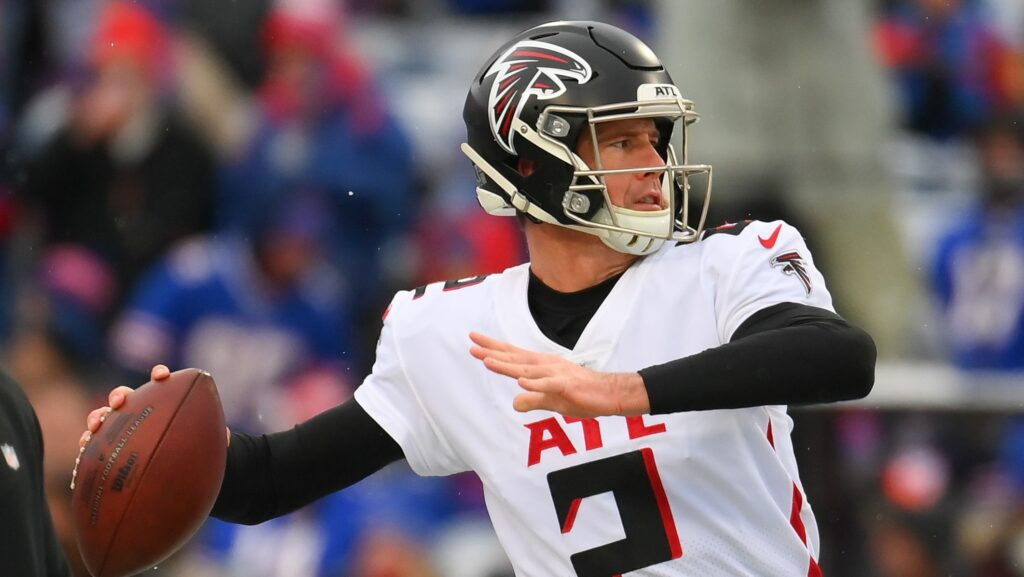
Matt Ryan — QB (2008–21). The era-defining pilot. Ryan stabilized the huddle on Day 1, stacked franchise passing records, and delivered an MVP season that recalibrated what “Falcons offense” means. (Inducted 2024.)
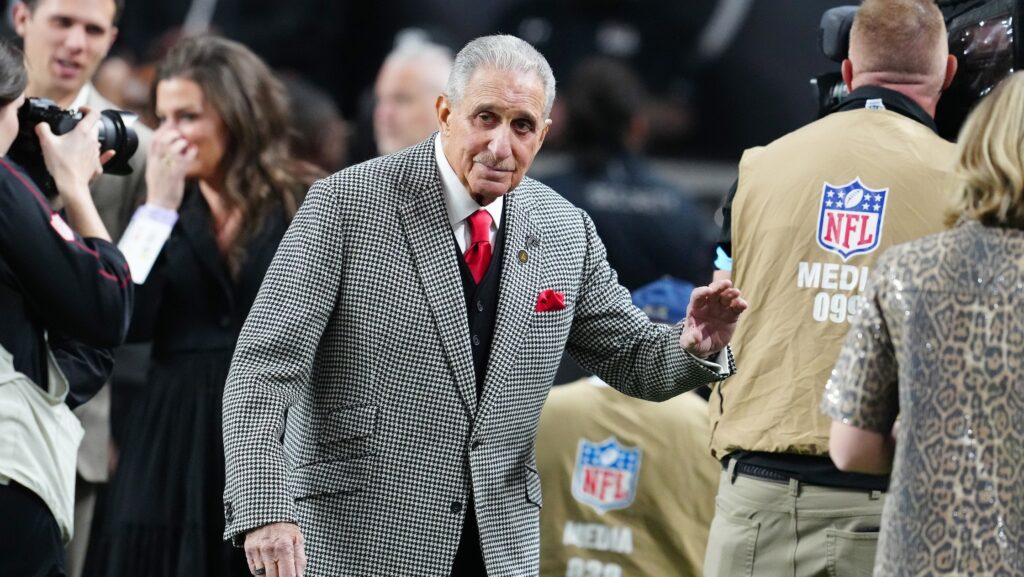
Arthur M. Blank — Owner/Chairman (since 2002). Culture as competitive edge. Blank’s induction recognizes investment that outlasts a season—facilities, community footprint, and a standard that touches the entire building. (Inducted 2024.)
Why the Ring Still Matters on Sundays
Read the names and you’ll find the throughline to winning football in Atlanta: own the middle of the field (Nobis, Tuggle), protect edges (Kenn, Humphrey), build continuity up front (Van Note, McClure), develop a premier playmaker (Sanders, White, Dunn, Riggs), and anchor the room with a franchise quarterback (Bartkowski, Ryan). It’s not nostalgia; it’s a checklist.
If you want to see it in person, the club created a Ring of Honor display inside Mercedes-Benz Stadium so fans can walk through the history before kickoff and connect those standards to the current roster.


