
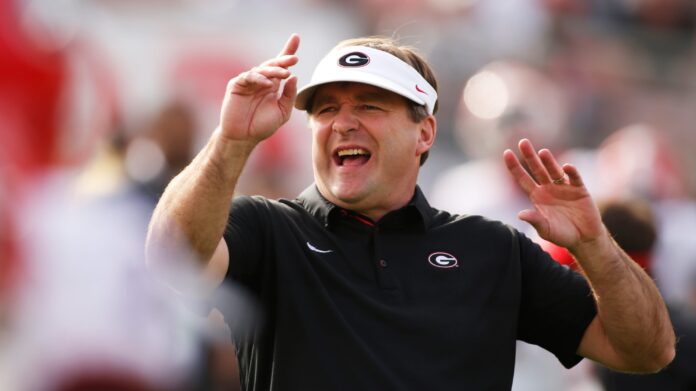
The Georgia Bulldogs win because their defense makes offenses play left-handed. Under Kirby Smart, Georgia builds a structure that squeezes space on early downs, muddies pictures for quarterbacks, and finishes drives with leverage.
Inside Sanford Stadium, the scheme feels familiar even as names change: fronts that choke the interior, edges that set and spill, and coverage that closes windows on time.
The Front: Control Inside, Set the Edge
Georgia’s base look has lived in a three-down world that people shorthand as tite or mint. Whatever you call it, the job description is the same. Interior linemen anchor against double teams so the ball cannot cut back cleanly.
Outside linebackers set the edge first and still transition to rush. That geometry keeps inside linebackers clean, which turns four-yard runs into twos and second-and-sixes into second-and-eights. When the front wins like that, the call sheet stays two steps ahead.
The Picture for the Quarterback
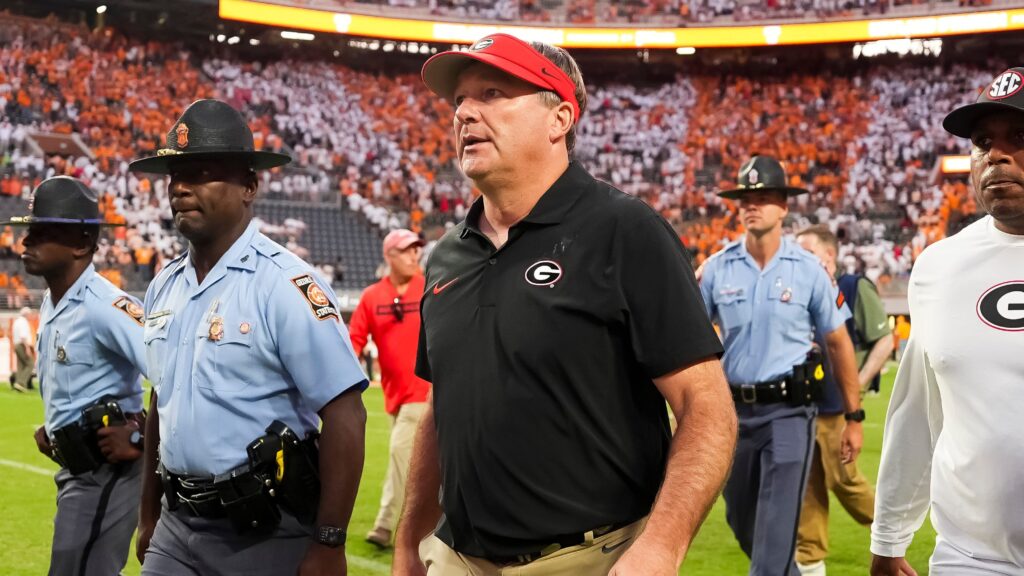
Smart’s defenses major in pattern-match ideas. They start in zone shells, then match routes as receivers declare. Slants that look free at the snap meet bodies at the break. Crossers that usually find grass run into help arriving from the correct shoulder.
When down and distance tilt pass, Georgia layers simulated pressure looks: present blitz, rush four from somewhere unexpected, drop others into lanes the quarterback assumed would be open. It looks aggressive and plays sound.
Why It Recruits the Way It Does
Because the structure asks for specific traits. Interior defenders must anchor and play long through the guard’s chest. Edges have to set contain without giving up rush.
Corners and safeties must tackle in space and communicate rotations without panic. That is why Georgia’s two-deep cycles into the NFL and still feels the same on Saturdays. The names change; the asks do not.
Early Downs Decide Everything
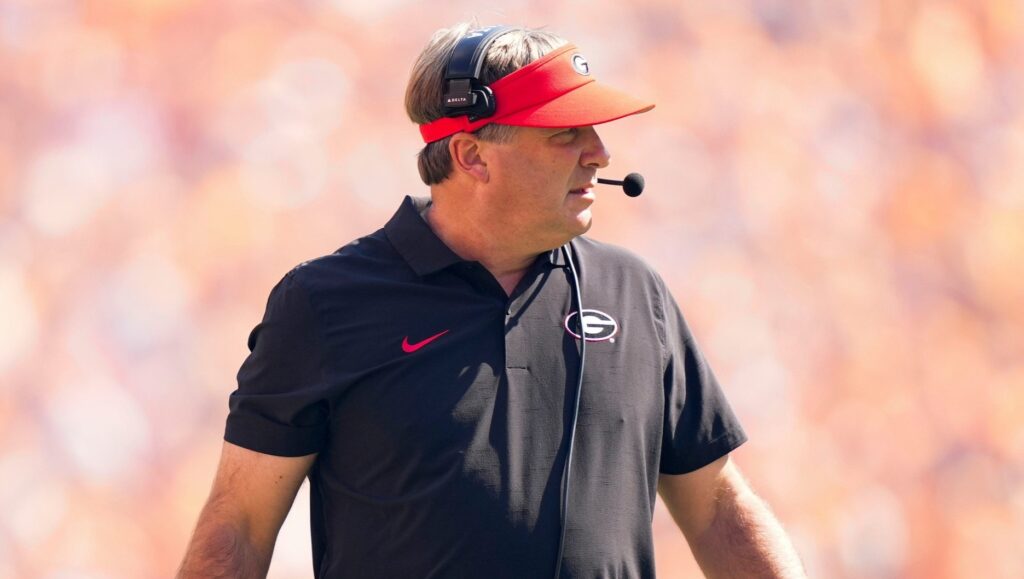
The staff builds game plans around first-down efficiency. If the opponent lives in second-and-four, the offense’s whole playbook stays open.
If Georgia wins first down, the opponent’s world shrinks to protection rules and tight windows. That is when the simulated pressures and late rotations matter most. They are not tricks; they are multipliers on favorable down-and-distance.
How It Shows Up in January
The blueprint scales because it travels. Run fits and tackling travel in cold weather. Pattern-match rules travel in loud buildings. A front that denies explosives by alignment and technique gives the offense time to find its rhythm.
That is how Georgia turned consecutive College Football Playoff runs into championships: control first down, deny freebies, cash field-position wins. The post-season chapters change, but the method reads the same.
Offense in Support of the Plan
Even when the roster tilts toward star power on offense, Smart’s teams keep a run-pass marriage that protects the defense. Pockets of tempo to trap personnel.
Play-action to punish safeties once the run game earns respect. No need to live on risk when structure is already taking possessions away on the other side.
What Travels Every Week (Short List)
- Fits and Leverage: Gaps accounted for, help arriving from the right shoulder.
- Early-Down Discipline: Make second down long; let disguise handle third.
- Tackle the Space: End drives by finishing in the alley and the flat.