

The Atlanta Hawks don’t treat the rafters at State Farm Arena as décor. Five player numbers live up there because they defined eras and gave the franchise a repeatable identity. Here’s a clean explainer—what’s retired, why it matters, and how the non-player honors fit next to the legends.
The Five Retired Numbers (Players)
No. 9 — Bob Pettit
A franchise pillar from the St. Louis years, Pettit’s workload and touch powered the club’s 1958 title and turned efficiency at the elbow into a Hawks signature.
No. 21 — Dominique Wilkins
The Human Highlight Film is the modern face of the franchise—volume scoring, star gravity, and a standard for how Atlanta entertains and wins.
No. 23 — Lou Hudson
“Sweet Lou” made patience look violent—rhythm jumpers, quiet 30s, and an 11-season run that carried from St. Louis to Atlanta.
No. 44 — Pete Maravich
A short Atlanta stay, a permanent idea: creativity as an organizing principle. Pistol Pete turned possessions into events.
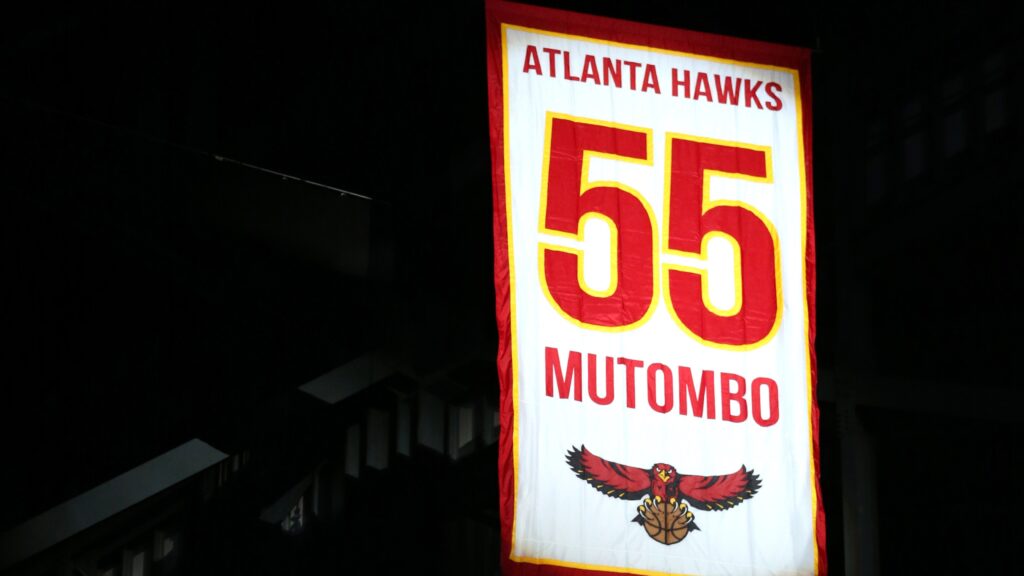
No. 55 — Dikembe Mutombo
Paint control and will. Mutombo’s rim protection and glass work taught entire seasons to bend toward third-quarter stops.
Non-Player Honors (How They’re Displayed)
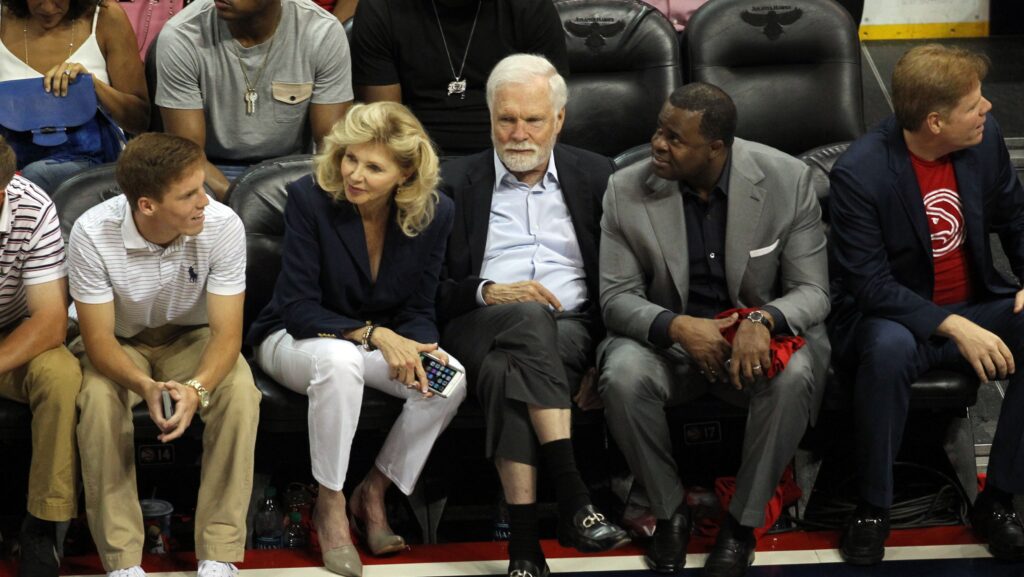
Ted Turner (Owner, Banner Honor). The franchise raised a Turner banner to the rafters to recognize his ownership era and imprint on Atlanta sports, separate from player jersey retirements.
Kasim Reed (Ceremonial Jersey “59”). The club presented a ceremonial “59” jersey honoring Atlanta’s 59th mayor and placed it on permanent display in-arena; it isn’t a player number retirement, but lives alongside the history exhibits.
Why the Rafters Still Matter on Game Night
Look up from your seat and you’ll see a playbook in shorthand: star shot-making (Wilkins, Maravich), disciplined scoring (Hudson), interior control (Mutombo), and the expectation that a true cornerstone changes a whole spring (Pettit). That’s the Hawks’ standard in five numbers.


