Falcons fantasy owners are setting themselves up for failure before the first pick even drops. The biggest killer of a season isn’t a bad draft slot; it’s the inability to ignore what happened last week. Tristan H. Cockcroft from ESPN warns that veteran players fall prey to these pitfalls just as often as newbies. The advice is simple but hard to follow: Don’t succumb to recency bias.
Stop Chasing Yesterday’s Heat
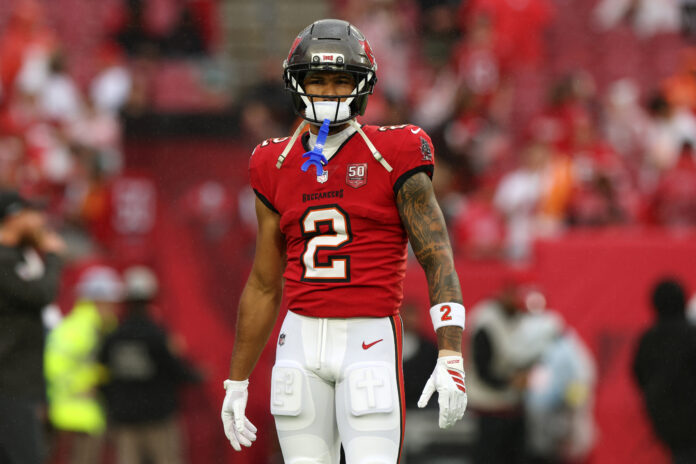
Players get hot for a few games, and owners panic and trade the farm to get them. Look at the rookie wide receiver Emeka Egbuka, who scored 102.4 fantasy points in his first five games. That number was the third most by any rookie in history, according to ESPN. But 42 other wide receivers outscored him from that point forward. Chasing that specific hot streak is a trap that burns rosters every single year.
That’s the trap. The same logic hurts the Atlanta Falcons when they avoid players who had a bad year. Many owners will avoid players at all costs next season based on single-year numbers alone. He rebounded to a top-10 running back finish in a rejuvenated Jacksonville Jaguars offense. Past results guide forecasting, but small samples don’t provide the full picture. They ignore factors like regression and upcoming matchups. Using three-year averages is a much smarter way to judge true skill.
Avoid the Draft Panic
Another mistake that sinks teams is following the crowd during position runs in the draft. Managers get antsy about the talent pool and make a rash move. Drafting a player like Joe Burrow 36th might land a great NFL quarterback, but it costs a critical piece elsewhere. It often means getting only the fifth-best fantasy quarterback instead of a weekly bona fide WR2.
Per ESPN, selecting a player like Tetairoa McMillan is often more important than grabbing the fifth-best signal-caller. The logic is flawed because it assumes you must fill a position before anyone else does. This herd mentality leads to bad value picks that haunt owners all season long. The draft isn’t a race to fill a roster spot. It’s a search for the best value available at any position.
Look Beyond the Last Game
Today is what matters in fantasy football, not the noise from last week. Small samples of recent results hide the real story of a player’s value. Factors like injury fill-in opportunities or schedule changes can shift everything. A player thriving as a fill-in might not be the same player once the starter returns. Don’t react solely off last year’s stats or last week’s results. Those numbers are gone, done, finito already. The Falcons need to build a roster based on long-term trends, not short-term flukes.
Are you guilty of trading for a player because they had one big game? Or do you stick to your plan when others panic? Drop a comment below and tell us which mistake you made last year.