

The Atlanta Braves and New York Mets don’t just share a division; they share a measuring stick. At Truist Park or in Queens, the series keeps asking the same questions: who wins first-pitch counts, who controls the extra 90 feet, and which lineup lands the late swing that turns a week.
Why 1999 Still Echoes
The way Atlanta thinks about New York starts with 1999—a six-game NLCS that sent the Braves to the World Series and taught both clubs what October leverage feels like in this matchup. Eddie Pérez’s series and a run of road answers still frame the rivalry’s temperature.
The 2022 Reset in Atlanta
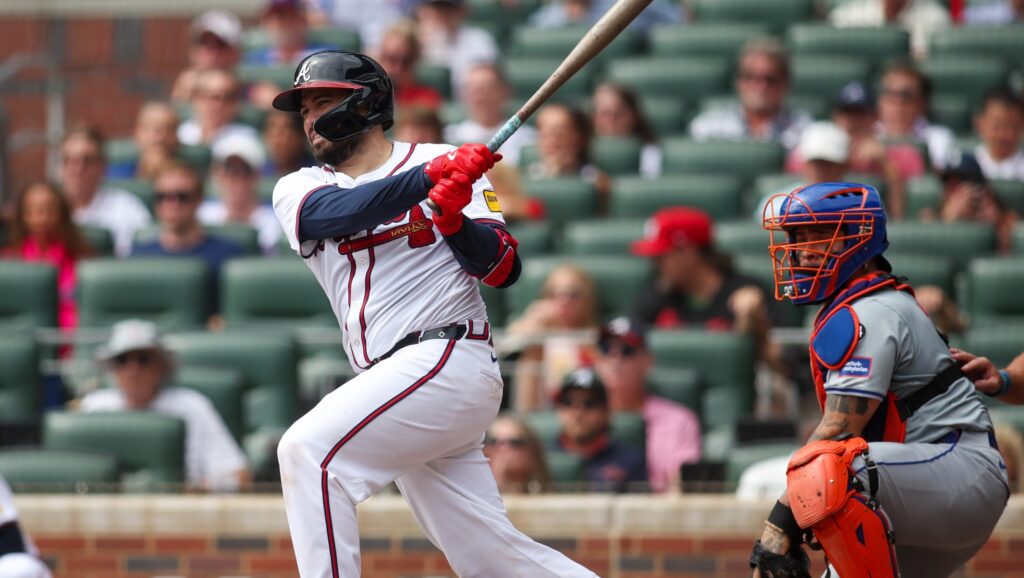
A different kind of chapter arrived in late September 2022. With the NL East on the line, Atlanta swept a three-game set at Truist Park to seize the tiebreak and push the division its way. That weekend distilled the modern math: first-pitch command, mistake-free defense, and one or two seventh-inning swings.
Styles in Conflict
New York’s best versions ride strike-throwing starters and on-base pressure; they’ll grind counts, steal a base, and force you into long innings. Atlanta answers with zone ownership and contact management—get to 0–1, turn gaps into loud singles with clean relays, and let depth find the mistake instead of chasing it. When the Braves keep traffic down, the bullpen lanes turn the ninth into a script; when the Mets stack free passes and early ambushes, the night tilts blue and orange.
What Usually Decides Braves–Mets (Short List)
- First-Pitch Command: 0–1 shrinks New York’s running game and elevates defense.
- Outfield Conversions: Kill the extra 90 feet; one relay flips an inning (and a series).
- Seventh–Eighth Lanes: If the bridge holds, the ninth plays on your terms.