
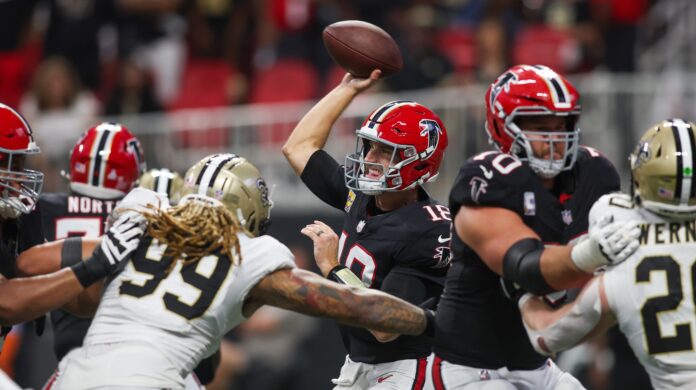
The Atlanta Falcons and New Orleans Saints share a rivalry built on geography, division stakes, and decades of close finishes. What started as two expansion franchises finding their footing became a twice-a-year referendum on which city gets bragging rights—and why it still matters to both fan bases.
How It Started
The matchup took shape as each club fought for relevance in the South. Close travel, overlapping media markets, and early-season schedules turned routine dates into regional events. The throughline: one-score games that kept the outcome live into the fourth quarter.
What Defines the Rivalry

- Thin margins: Field-position duels, special-teams swings, and end-of-half sequences have decided more games than highlight plays would suggest.
- Quarterback eras: The tone of the rivalry often mirrors each team’s quarterback identity—precision vs. explosiveness—and how each defense handles the other’s rhythm.
- Road confidence: Visiting teams have won their share when they control explosives and finish red-zone trips.
City Identities
Atlanta and New Orleans bring distinct cultures to the same stage. Atlanta leans modern—speed, vertical threats, and a venue designed for pace. New Orleans leans ritual—rhythm, cadence, and a fan base that treats game day as a citywide routine. The clash of styles shows up in the stands as much as on the field.
Mercedes-Benz Stadium Factor

In Atlanta, Mercedes-Benz Stadium rewards efficiency: clear sightlines, fast entries, and quick concourse returns keep noise steady. If you’re going, skim the Mercedes-Benz Stadium guide for gate strategy, seating goals, and postgame exits.
The Pettiness Canon (and why it sticks)
Little things add up: schedule placement, a special-teams miscue remembered years later, or a replay reversal that fans in both cities can still diagram from memory. The rivalry ages well because each season supplies a fresh narrative—new coordinator tendencies, lineup health, and whether either team can impose its preferred tempo.
Why It Still Matters
NFC South races turn on division record. Sweeping this series changes tiebreakers and locker-room belief in the same week. It’s football gravity: win your street first.
How To Watch It (like a local)

- Explosives vs. answers: Track explosive plays on one side and immediate answers on the other; this rivalry tilts when responses dry up.
- Red-zone identity: Trips inside the 20 define control—look for play-action tells and motion counters.
- Four-minute football: End-game sequences (play-clock, timeouts, first-down math) matter more than normal here.
FAQ
Is home-field advantage decisive?
It helps, but the series regularly produces road wins when turnovers stay even and red-zone execution holds.
Does the rivalry change with new coaches?
Yes. Coordinator fingerprints—pressure rates, motion usage, situational calls—tend to swing a meeting or two before opponents adjust.
What’s the best seat to feel it in Atlanta?
Lower-bowl sidelines between the 20s balance atmosphere and clarity; end zones amplify celebrations.